
Corrugated Insert
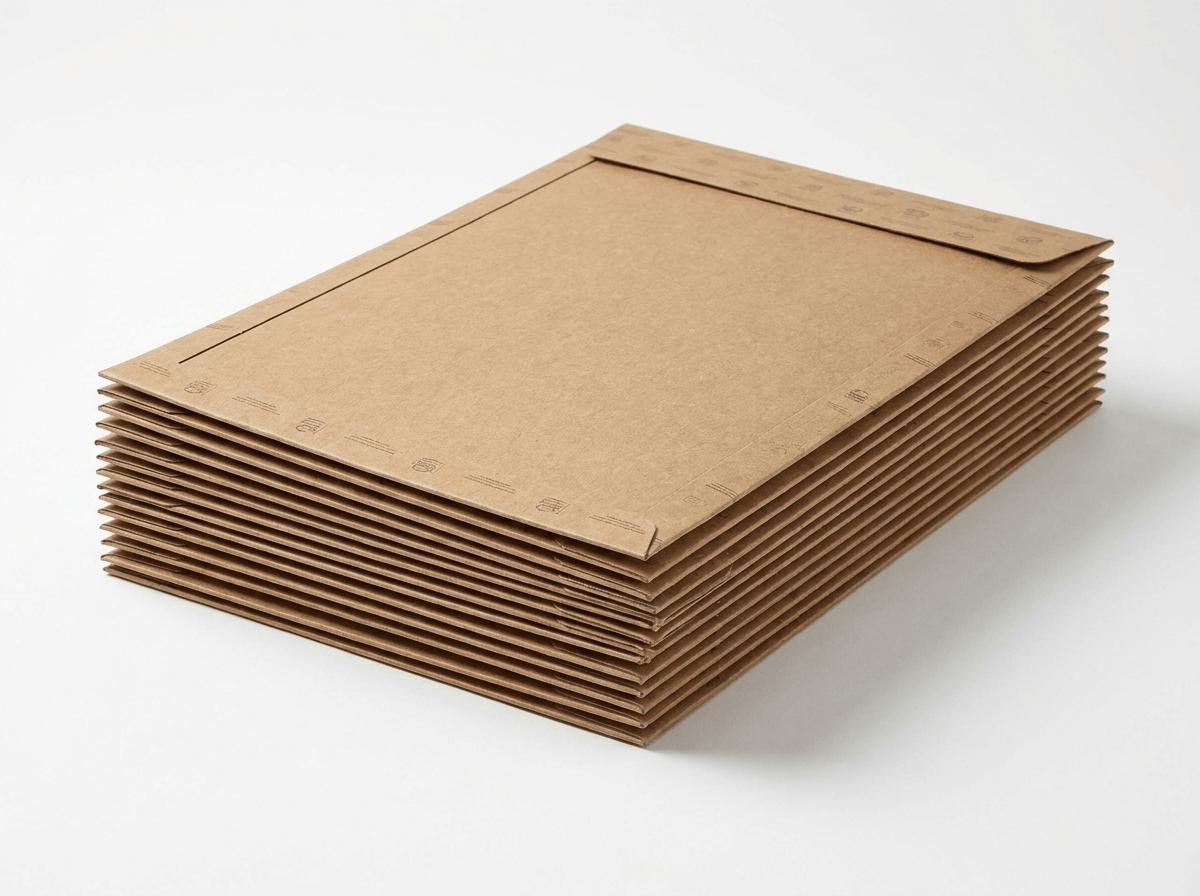
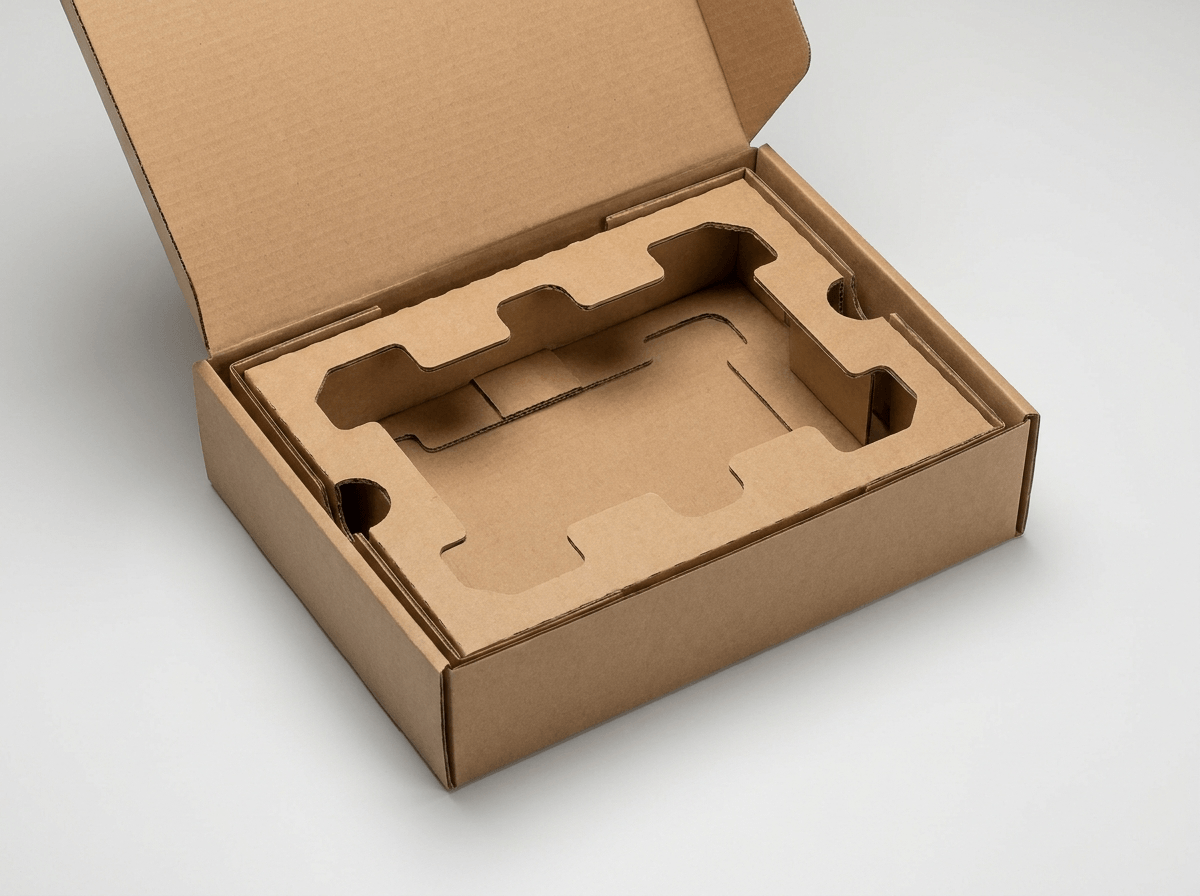
Die-cut corrugated inserts that hold product still.
An insert stops product sliding and frames it on opening. Die-cut corrugate does that for most products and recycles with the box, unlike foam.
We cut trays, pads, and corner protectors to your item.
- Die-cut to your product
- Trays, pads, corner protectors
- Recyclable, plastic-free
- Holds product still
“Mailers arrived in nine days with the inside print exactly as proofed. Our unboxing videos finally look like the brands we admire.”
“Our cakes travel 40 minutes across town and arrive looking like they left the counter. The window boxes sell them before anyone opens the lid.”
Corrugate is the underrated cushion
Foam gets the credit, but fluted board is a legitimate shock absorber: the arch structure of the flute crushes progressively under impact, spending the drop's energy before the product feels it. For most consumer goods, a properly designed corrugated insert protects as well as foam, costs less, needs no tooling in short runs, and goes into the same recycling bin as the box, one material, one waste claim, no asterisks.
Forms that do the work
Fitted trays hold a product in a die-cut aperture with folded-tab suspension, the tabs flexing like springs. Corner and edge protectors take the hits where boxes actually land; end caps float a long item away from both walls. Layer pads separate stacked goods, and folded cradles suspend bottles and jars. Multi-item kits combine forms: a tray for the hero, a divided well for accessories, the standard architecture for subscription and starter kits. For grid-cell separation of multiples, the sibling product is box dividers.
Iterating cheaply
Board inserts prototype on a digital cutting table, no die, so the first sample costs a file and a day. You drop-test with the real product, we adjust the flap geometry, and only at volume does a cutting die take over and drop the unit cost. Design insert and box together, one tolerance chain, and the pairing quotes as one job on the packaging inserts line. Where millimeter grip or deep cavities matter, we will honestly point you to EVA foam instead.
Single, double or B-flute?
E-flute for fine retail work and thin walls; B-flute for general duty; double-wall where the product is heavy. Send weight and fragility and the spec follows.