
Packaging Inserts
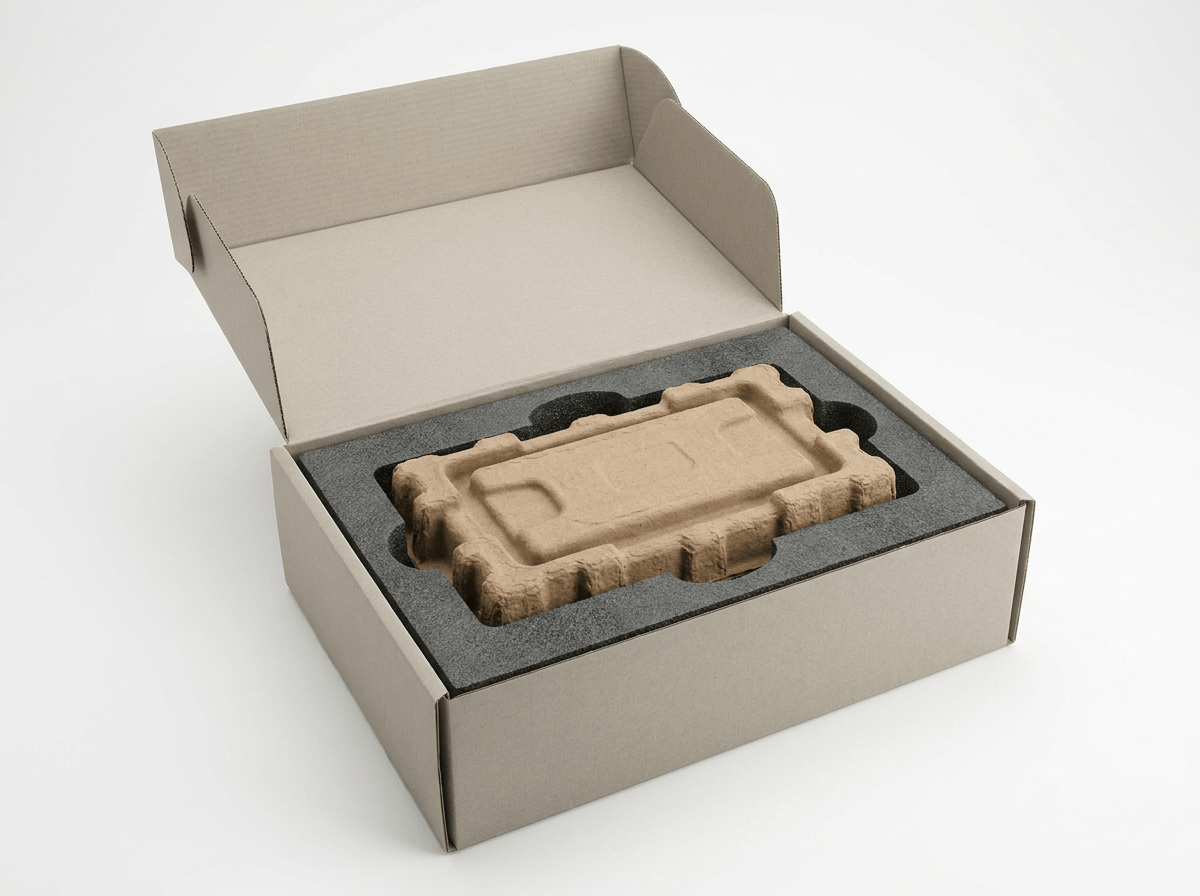
Foam, molded-pulp and cardboard inserts that cradle and present your product.
The insert is what stops your product sliding around and arriving damaged. It also frames the product so the box looks intentional the moment it opens.
- Die-cut foam, molded pulp or corrugated card
- Cut to cradle the product and kill movement
- Presents the contents like a fitted tray
- Molded-pulp option for a plastic-free, recyclable insert
We cut foam, mold pulp and fold cardboard inserts to fit your product and your outer box exactly.
“Labels that survive a fridge, an ice bath, and a farmers market summer. We tested four suppliers; these were the only ones that did not lift.”
“The magnetic boxes are the nicest thing about our subscription, and I say that as the person who makes the product. Zero damage across 3,000 shipments.”
The insert is the difference between shipped and presented
Open a box where the product sits centered in a fitted tray, and the brand made a promise it kept. Open one where the product slid to a corner in a nest of loose paper, and no outer print rescues it. The insert does two jobs at once: it kills movement in transit, which is most of what damage claims come from, and it stages the product for the first look.
Three materials, three jobs
Die-cut foam (EVA or PU) is the precision option: cavities cut to the millimeter, deep protection, and the firm-soft feel people associate with instruments and pro tools. It is the right call for electronics, glass and anything heavy. Our EVA insert page covers grades and colors.
Molded pulp is pressed from recycled fiber, costs the least at volume, and goes in the same recycling bin as the box. It suits bottles, jars, cosmetics and any brand making a visible sustainability claim. Tooling has a setup cost, so it pays off from a few thousand units.
Folded corrugated or SBS card inserts need no tooling at all, cut and crease on the same equipment as the box, and hold products by geometry rather than cavity fit. Best for mid-weight goods, multi-item kits and short runs where foam or pulp tooling is not justified.
Design it with the box, not after
The most common insert mistake is ordering it after the box is fixed. Cavity walls need thickness, foam needs clearance to compress, and pulp needs draft angles to release from the mold; all of that eats interior volume. Send us the product and we engineer the pair together, insert and box, so neither compromises the other.
What we need to quote
The product itself or exact dimensions and weight, the outer box size if it already exists, and the unit volume you expect per run. A sample insert follows in about a week for fit-testing on your real product.