
Cereal Labels
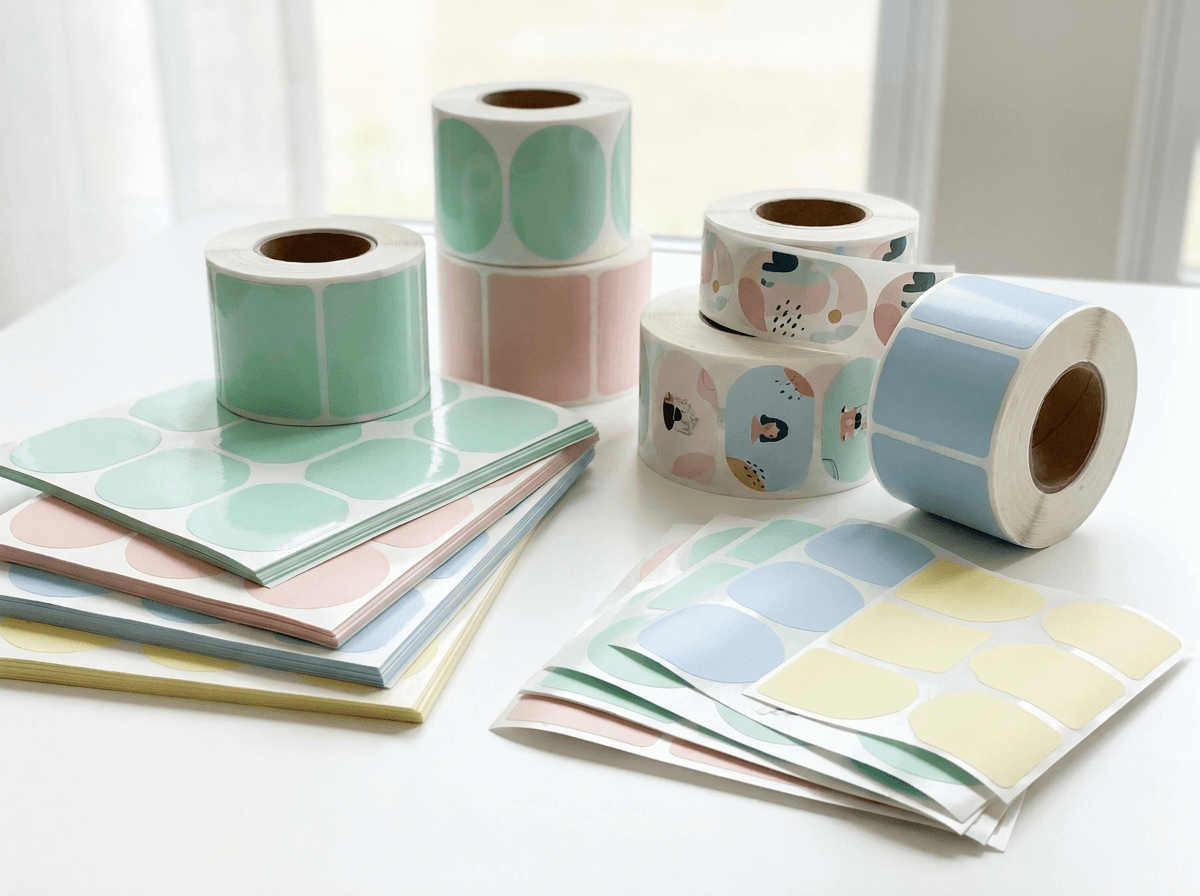
Printed labels to brand a blank cereal box.
Labels turn a blank carton into a branded product without a full print run, which suits private label and small-batch cereal. We print front and side labels food-safe.
- Front and side box labels
- Food-safe print
- Low-minimum branding
- For blank cartons
It's the low-minimum route before committing to printed cartons.
“Labels that survive a fridge, an ice bath, and a farmers market summer. We tested four suppliers; these were the only ones that did not lift.”
“The magnetic boxes are the nicest thing about our subscription, and I say that as the person who makes the product. Zero damage across 3,000 shipments.”
The private-label shortcut
Printed cereal cartons make sense at thousands of units. Below that, labels are how small-batch and private-label cereal gets to market: blank stock cartons plus full-color front and side labels, applied by hand or semi-automatic applicator. The unit economics flip, no plates, no carton minimums, and a design change is a label reprint, not a packaging write-off.
Granola startups, farm shops, gyms doing branded oats and co-packers running many small brands all live on this model.
Spec for a food label
The labels are food-safe stocks and adhesives, matte or gloss, cut to standard cereal-carton faces or to your box. The front label carries the brand; the side or back label carries the regulatory load, nutrition panel, ingredients, allergens, weight, best-before, and we template those zones to your market's rules so the first print run is compliant. High-opacity stock covers pre-printed blank cartons cleanly, no ghosting from the board beneath.
Applied well, on a jig or applicator, a labeled carton reads shelf-legitimate; applied crooked, it reads homemade. We supply application guides with every run, and it matters.
The graduation path
Labels are stage one. When a SKU proves itself and volumes cross into the thousands, the same artwork transfers to a printed custom cereal box, unit cost drops and the shelf presence sharpens. Running labels first means that transition happens with sales data instead of guesses. The same logic covers other pantry categories; see cereal box labels for the sibling format.
What is the smallest sensible run?
From 100 label sets. Test two designs against each other in one run, the cheapest A/B test in food retail.