

Vacuum sealing mylar bags: should you, and how?

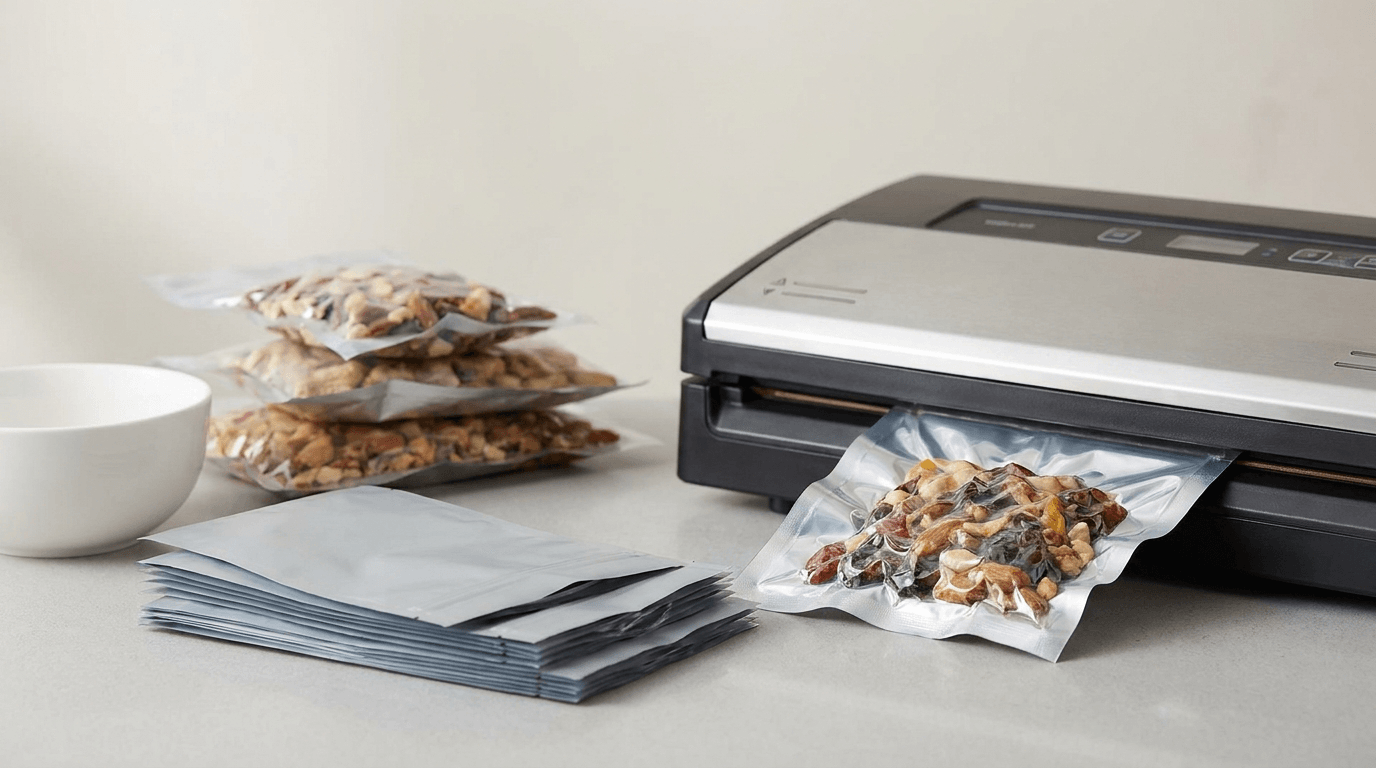
Vacuum sealing mylar is popular for long-term food storage, and it works, but it is not always the right move. Sometimes an oxygen absorber alone does a better job. Here is how to think about it.
Why mylar in the first place
Mylar is a layered barrier film, usually with a metallized or foil layer, that blocks oxygen, light, and moisture. Those three things are what stale, spoil, and degrade dry food. A regular plastic bag lets oxygen creep through over months; mylar does not. That barrier is why preppers and bulk-storage folks use it for grains, beans, rice, and dehydrated meals.
Vacuum sealing vs oxygen absorbers
Here is the part people get wrong. The goal is not really to suck the air out, it is to remove the oxygen. Those are different.
- A vacuum sealer pulls out the air, including oxygen, but it also pulls the bag tight around the contents. With sharp, dry goods like rice or pasta, the edges can puncture the film, and a single pinhole ruins the barrier.
- An oxygen absorber is a small sachet that chemically removes the oxygen from inside a sealed bag, leaving the nitrogen behind. The bag stays loose, so nothing punctures it, and the oxygen level drops lower than a home vacuum sealer can reach.
For most long-term dry storage, an oxygen absorber in a heat-sealed mylar bag beats vacuum sealing. Vacuum sealing earns its place when you want to compress soft contents to save space, or for shorter-term storage where convenience matters more.
If you do vacuum seal mylar
A standard household vacuum sealer struggles with thick foil mylar, because the machine needs to grip and heat the film to seal it, and heavy mylar resists that. A few tips:
- Use thinner mylar (around 3 to 5 mil) if you want a vacuum sealer to seal it reliably
- Or vacuum the air out, then finish the seal with an impulse sealer or a flat iron for a proper bond
- Leave enough headspace at the top for a clean seal, and keep contents off the seal line
- For the best of both, vacuum lightly and still drop in an oxygen absorber
A simpler route for most products
If you are packaging a product to sell rather than storing your own pantry, you usually do not need a vacuum at all. A high-barrier mylar pouch with a resealable zip, sealed properly, keeps contents fresh on a shelf for a long time. For coffee specifically, a one-way valve matters more than a vacuum, which is why our 12 oz coffee bags are valved. For other goods, stand-up pouch custom printing covers barrier films and zips, and if you want a pouch plus a retail box, see mylar bags with box.
The takeaway
Vacuum sealing mylar works, but for long-term dry storage an oxygen absorber in a heat-sealed bag is usually safer and more effective. Vacuum when you need to save space or seal soft goods, and watch for punctures on anything sharp.
Related reading

What does collate mean in printing?
Collate in printing means printing complete sets in page order (1,2,3 / 1,2,3) instead of stacks of each page. Here is when to use it and when not to.
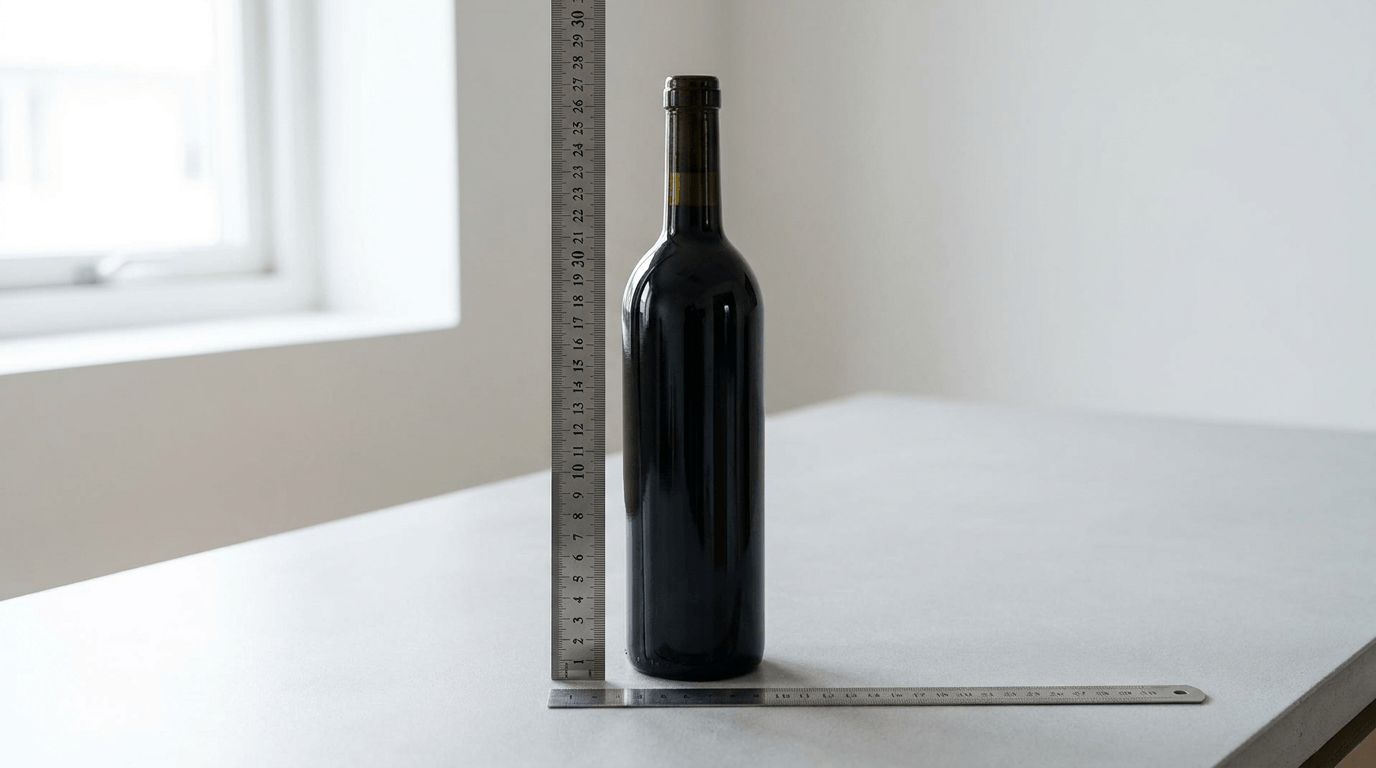
750 ml bottle dimensions: how big is a standard bottle?
A standard 750 ml wine bottle is about 11.5-12 in tall and 3-3.2 in in diameter. Here are the real dimensions for wine, spirits and champagne bottles.
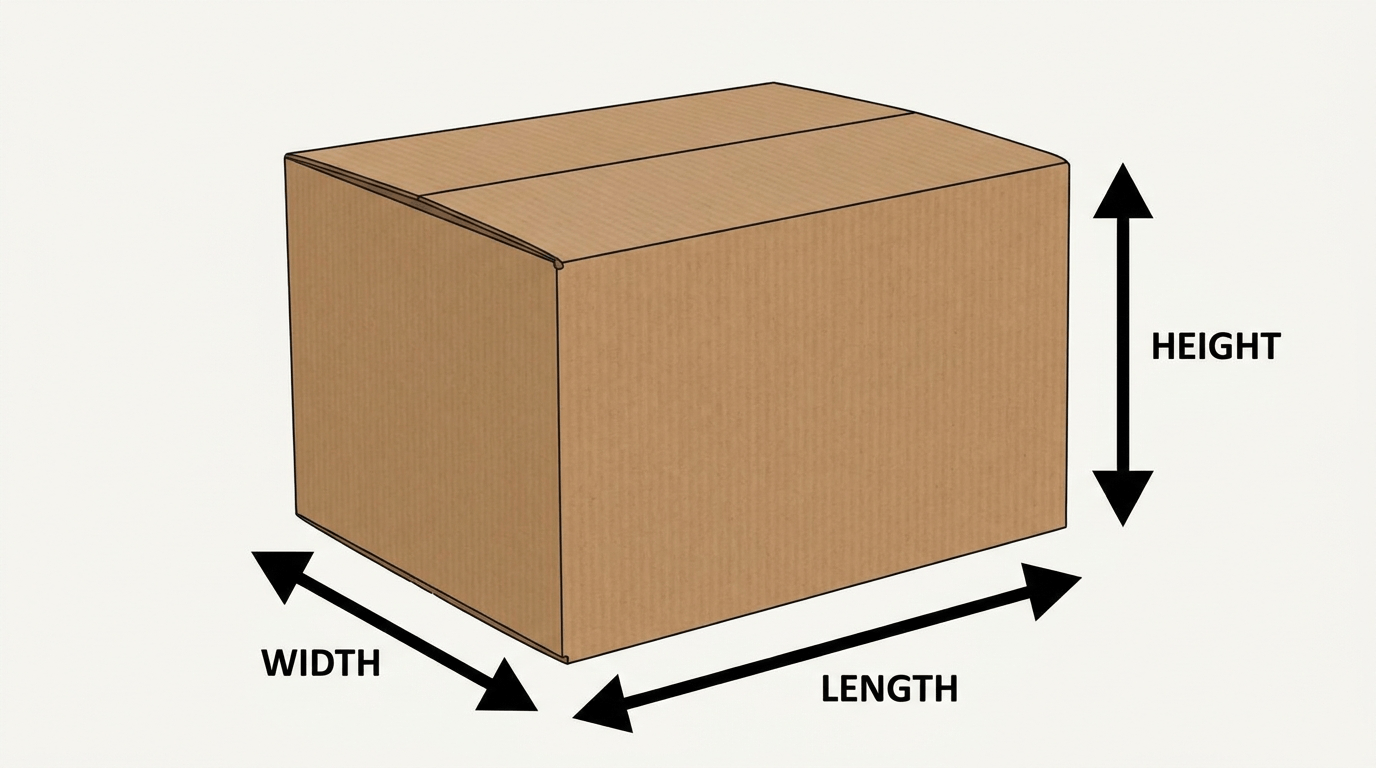
Length, width, height: which is which on a box?
Box dimensions are written length x width x height. Length is the longest top edge, width the shorter top edge, height the depth. Here is how to measure correctly.
Ready to print your packaging?
Get an instant quote in minutes — low minimums, fast turnaround, and finishes that make your brand pop.