

Do you recycle pizza boxes?

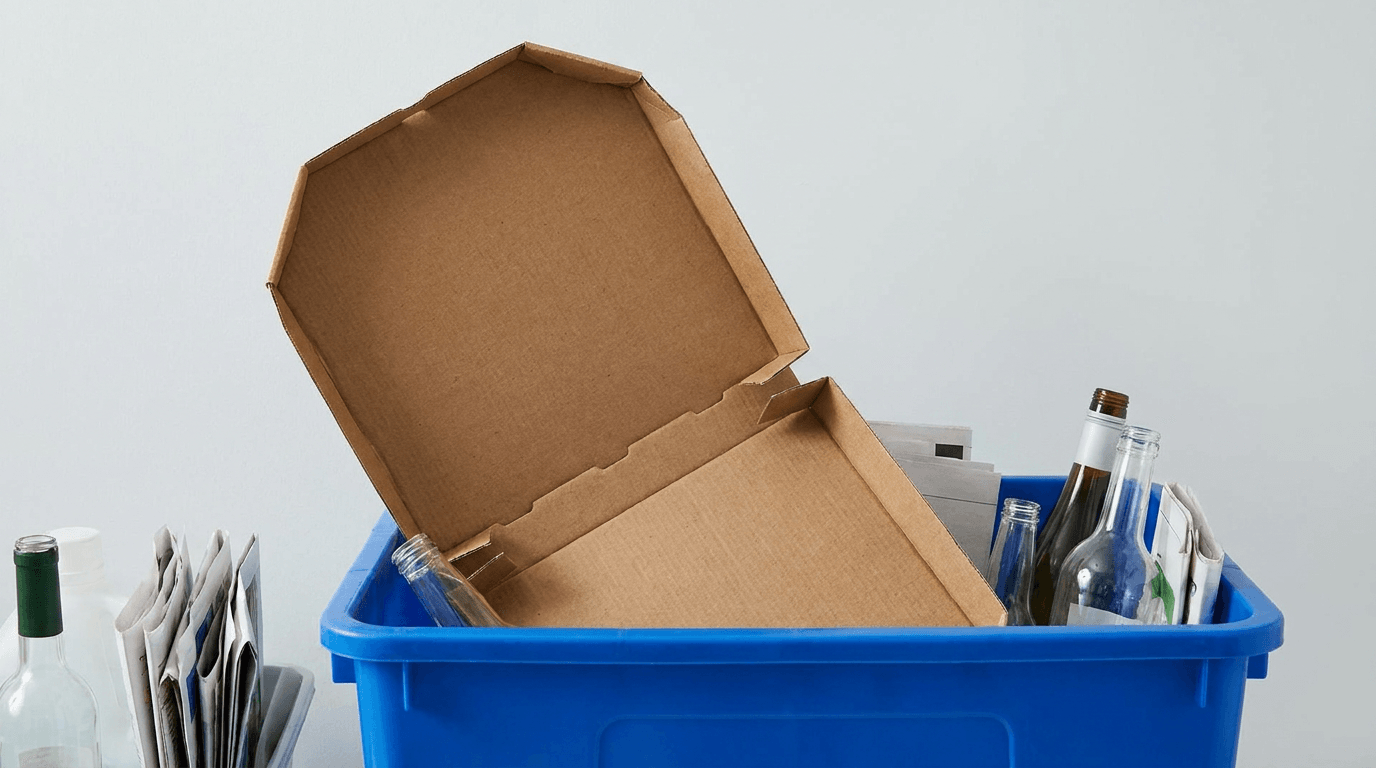
The pizza box is one of the most argued-about items in the recycling bin. The honest answer is: it depends on the grease, and the rule is simpler than the debate suggests.
The grease problem
Pizza boxes are corrugated cardboard, which is normally very recyclable. The catch is grease and cheese. Paper recycling works by pulping the fibers in water, and oil does not mix with water, so a grease-soaked patch contaminates the batch. Food residue is the issue, not the cardboard.
The practical rule
- The clean parts (usually the lid and the sides) are recyclable. Tear them off and put them in the recycling.
- The greasy, cheese-stuck parts (usually the bottom) are not. Compost them if you can, or put them in the trash.
Tearing the box in two and sorting it that way is the move most cities now recommend. A lightly marked box is generally fine; it is the saturated, oily sections that cause problems.
Why guidance changed
Some recycling programs used to reject pizza boxes outright. Many now accept them precisely because separating the clean part from the soiled part is easy, and corrugated is valuable fiber worth recovering. Check your local program, since rules still vary.
For pizzerias
If you run a pizzeria, the box you choose affects this. Grease-resistant board keeps oil from soaking through to the recyclable layers, and a clearly recyclable box helps your customers do the right thing. See our pizza boxes and the vented Detroit pizza boxes.
In short: recycle the clean parts of a pizza box, bin or compost the greasy parts, and when in doubt, tear it in two.
Related reading
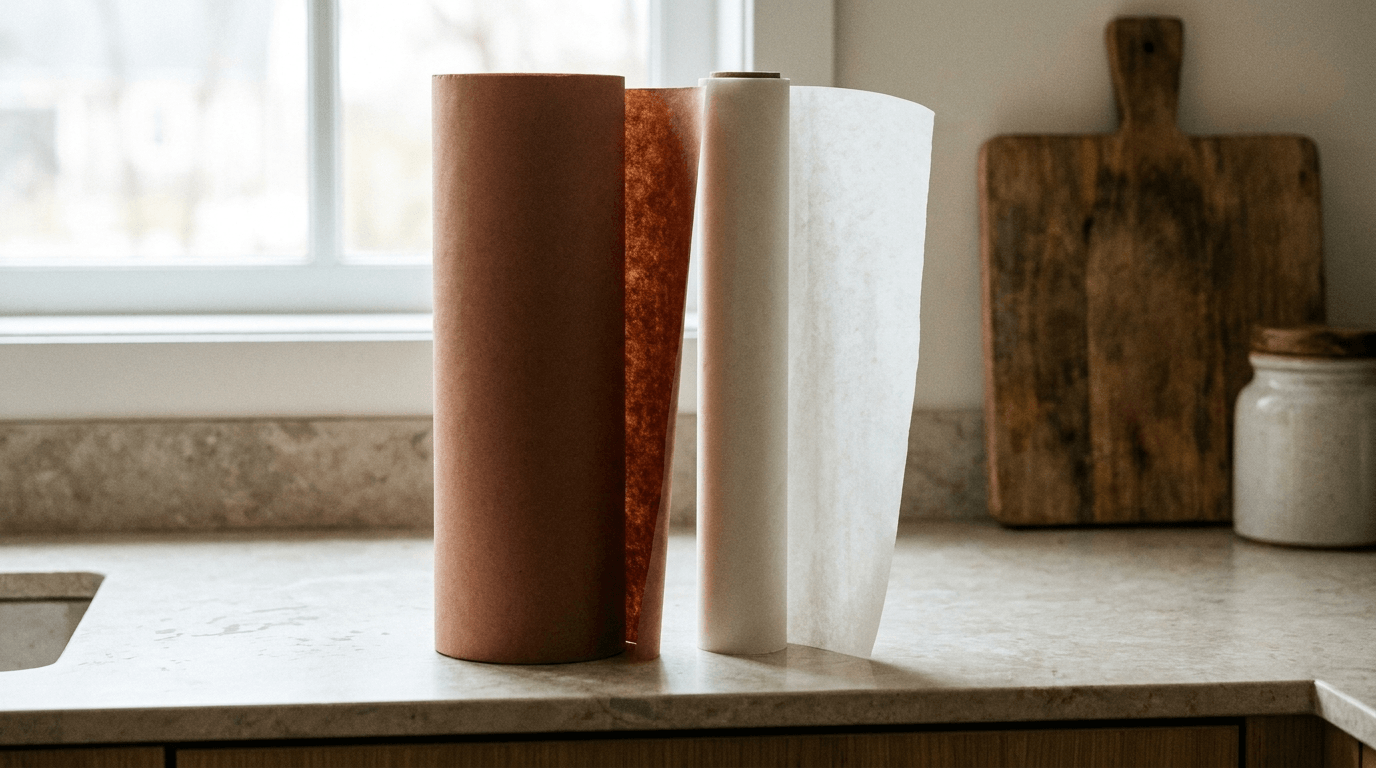
Butcher paper vs parchment paper: what is the difference?
Parchment paper is silicone-coated and oven-safe for baking; butcher paper is uncoated kraft for wrapping meat and smoking. Here is when to use each.
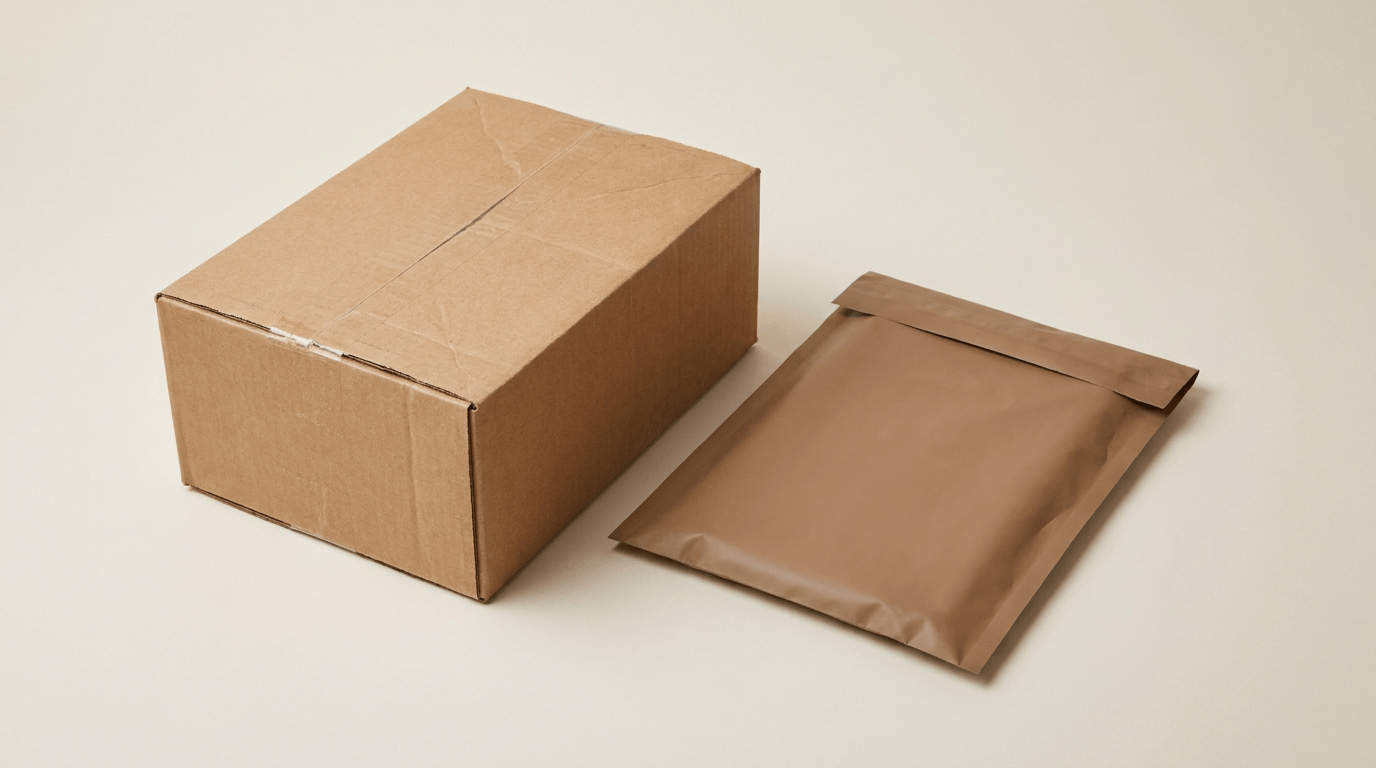
What does discreetly packaged mean?
Discreetly packaged means an order ships in plain, unbranded packaging with no logos or product details on the outside, so the contents are private. Here is how it works.

Cereal box sizes: standard dimensions
A standard family-size cereal box is about 12 x 8 x 2.5 inches; individual boxes are smaller. Here are the common cereal box sizes and what they hold.
Ready to print your packaging?
Get an instant quote in minutes — low minimums, fast turnaround, and finishes that make your brand pop.