

Butcher paper vs parchment paper: what is the difference?

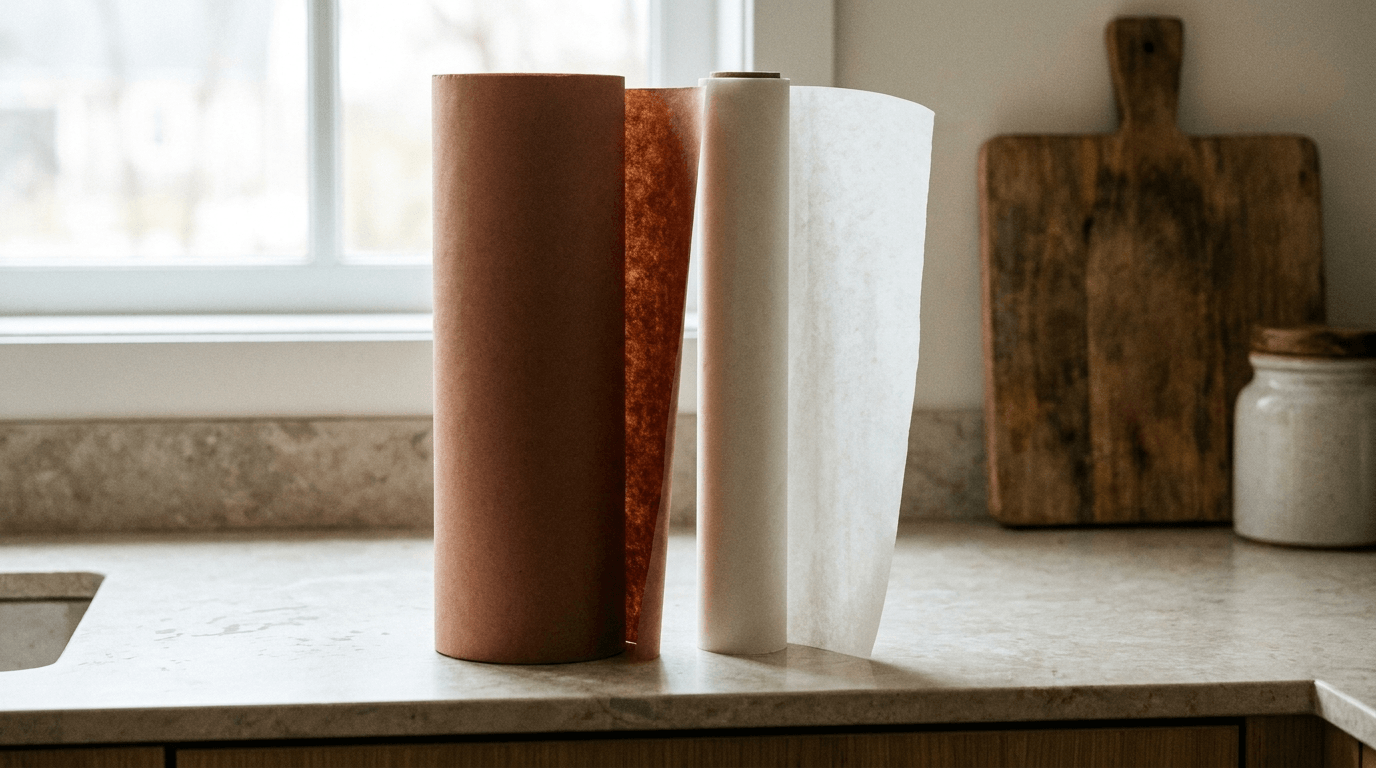
Butcher paper and parchment paper both show up in a kitchen, but they do different jobs, and swapping one for the other can ruin a cook.
What each one is
Parchment paper is a paper treated and coated with silicone, which makes it non-stick and heat-resistant. It is the paper you line a baking tray with.
Butcher paper is a sturdy, uncoated kraft paper. The classic pink or peach "butcher paper" used in barbecue is unbleached and breathable. It is built for wrapping, not baking.
The key differences
- Coating: parchment is silicone-coated and non-stick; butcher paper is uncoated
- Heat: parchment is oven-safe (around 220C / 420F); plain butcher paper is breathable but is not a non-stick baking surface
- Moisture: parchment resists grease and sticking; butcher paper breathes, which is exactly what you want around smoked meat
When to use parchment
Line baking sheets, cake tins, and roasting trays. The silicone keeps cookies, fish, and vegetables from sticking and makes cleanup easy. For the oven-safe vs not-oven-safe distinction with wax paper, see our note on butter paper vs wax paper.
When to use butcher paper
Wrap and store meat, line a serving tray, or wrap a brisket partway through a smoke. The "Texas crutch" uses butcher paper because it breathes, letting the bark stay firm while holding in some moisture, something foil and parchment do not do the same way.
For food businesses
If you are packaging food, the same split applies: silicone-coated butter paper sheets for anything baked or non-stick, and uncoated patty paper and kraft wraps for separating and wrapping.
The short version: parchment for baking, butcher paper for wrapping meat. They are not interchangeable.
Related reading
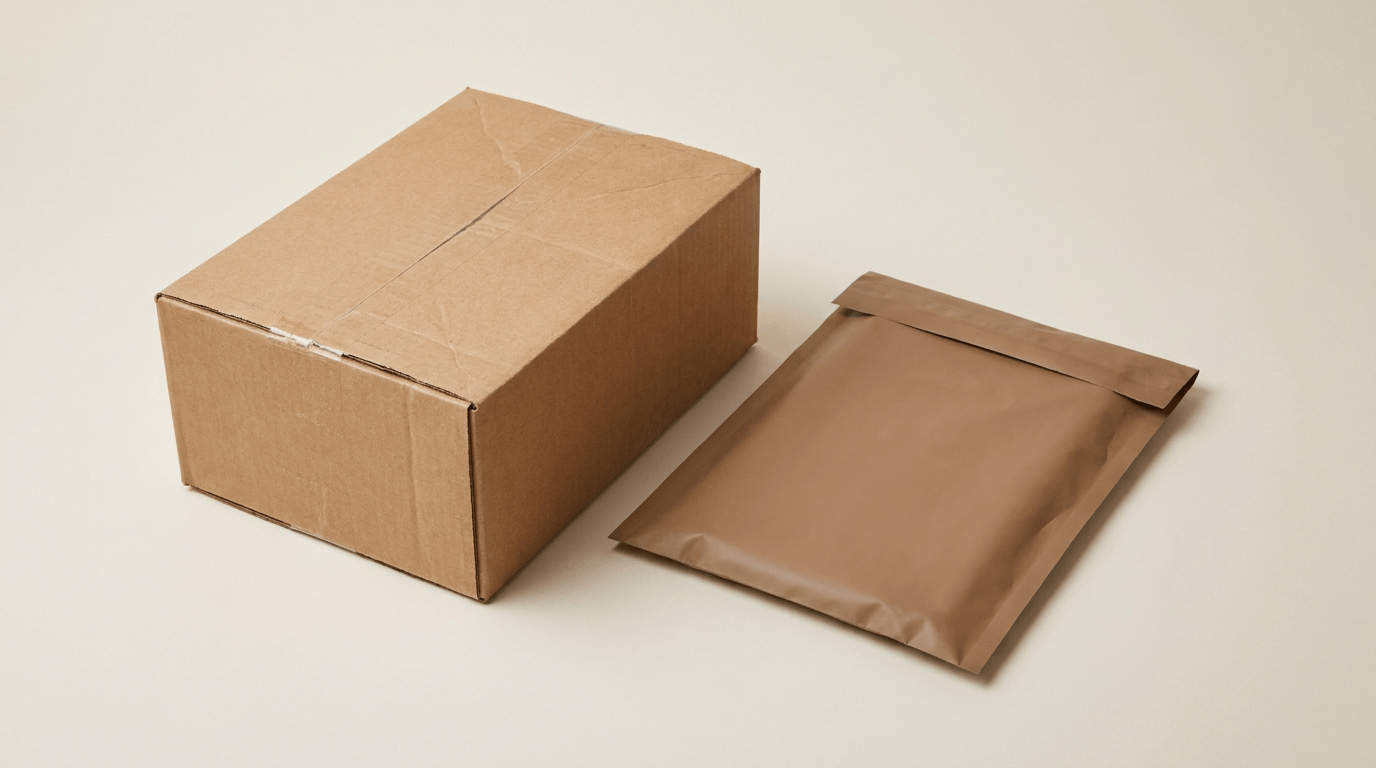
What does discreetly packaged mean?
Discreetly packaged means an order ships in plain, unbranded packaging with no logos or product details on the outside, so the contents are private. Here is how it works.
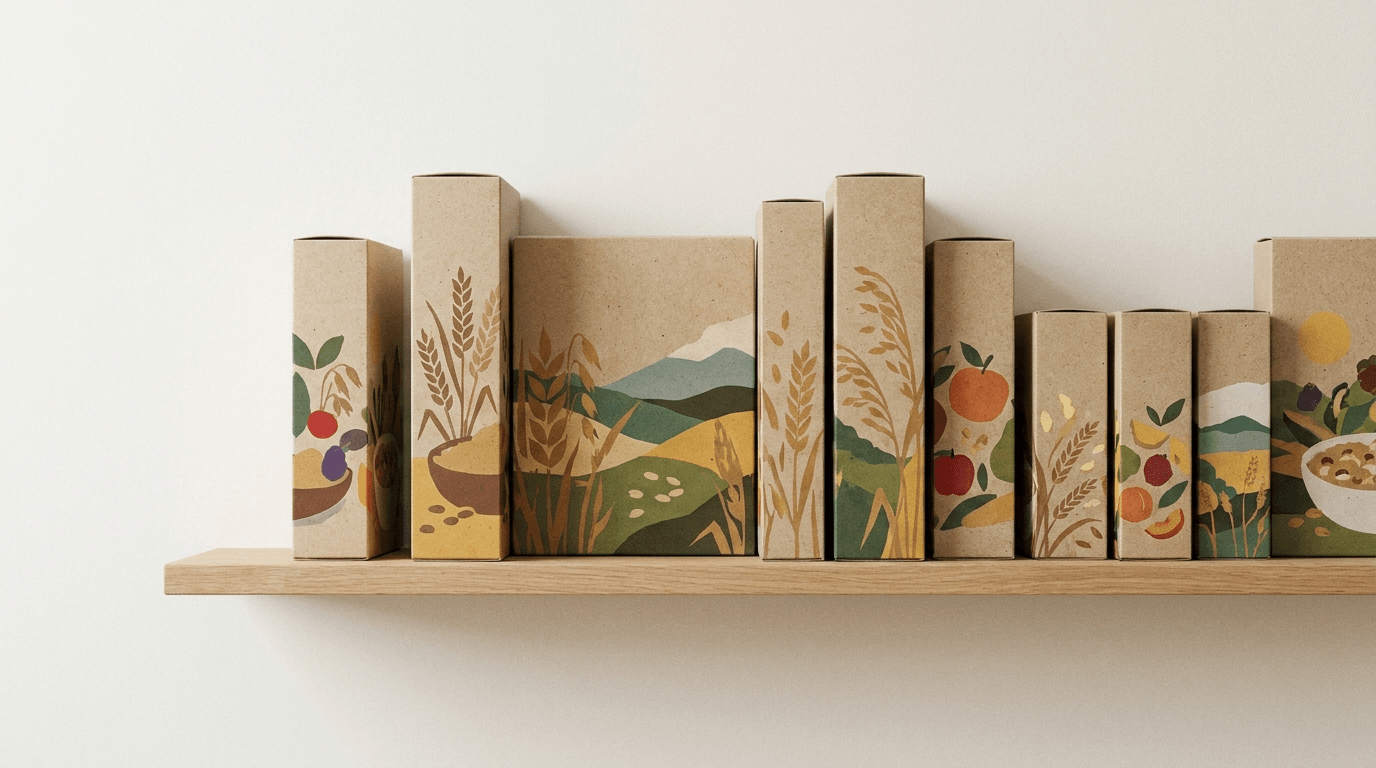
Cereal box sizes: standard dimensions
A standard family-size cereal box is about 12 x 8 x 2.5 inches; individual boxes are smaller. Here are the common cereal box sizes and what they hold.
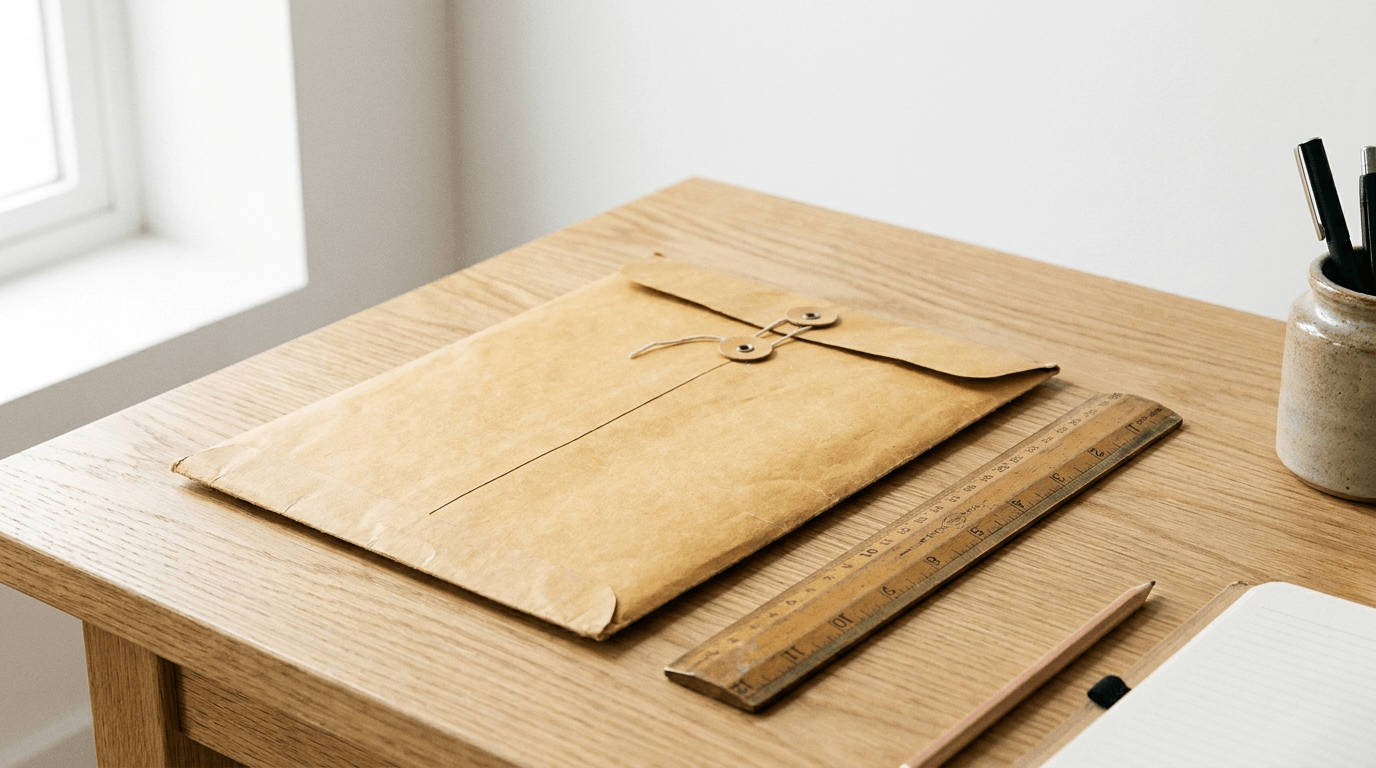
Manila envelope dimensions: sizes explained
A standard manila envelope is 9 x 12 inches; the catalog size is 10 x 13 and the booklet 6 x 9. Here are the common manila envelope sizes and what fits.
Ready to print your packaging?
Get an instant quote in minutes — low minimums, fast turnaround, and finishes that make your brand pop.