

Butter paper vs wax paper: what is the difference?

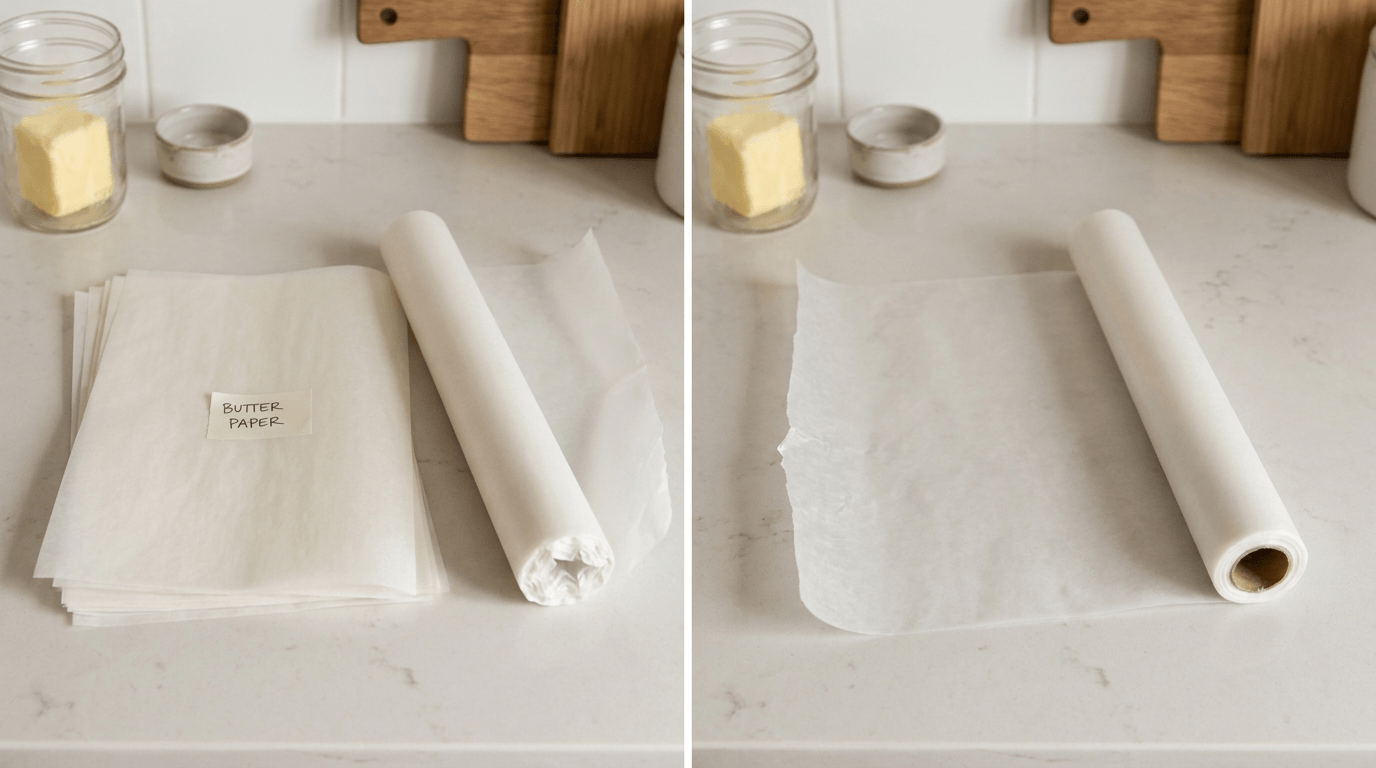
People use "butter paper" and "wax paper" as if they were the same thing. They are not, and the difference matters most the moment heat is involved. Put the wrong one in an oven and you get a smear of melted wax on your food.
What each one actually is
Butter paper is the British and South Asian name for parchment paper. It is a paper that has been treated and run through an acid bath to make it dense, smooth, and non-stick, then coated with a thin layer of food-grade silicone. That silicone is what makes it release cleanly and survive heat. It is the paper bakers line trays with.
Wax paper is a tissue-weight paper coated on both sides with paraffin or soybean wax. The wax makes it moisture-resistant and non-stick at room temperature. It is cheap, and it is good at exactly one set of jobs.
The line that matters: heat
This is the whole decision. Parchment (butter paper) is rated for the oven, usually up to around 220°C or 420°F. The silicone coating holds up, so you can bake on it, line a cake tin with it, or roast vegetables on it without it sticking or breaking down.
Wax paper cannot go in the oven. The wax melts well below baking temperature, so it transfers onto your food and can smoke or even catch near a heating element. If a recipe says to line a baking tray, it means parchment, not wax paper, every time.
So when do you use wax paper?
Wax paper is fine for anything that stays cool:
- Wrapping a sandwich or a burger to go
- Separating burger patties or cookie dough in the freezer
- Lining a countertop while you roll dough or dip chocolates
- Wrapping cheese for short-term storage
For all of those, it is cheaper than parchment and works perfectly, because nothing gets hot.
What this means for food packaging
If you run a bakery, a deli, or a food brand, the same rule decides your wrap. Anything that goes in or near an oven needs parchment-grade liner. Anything that just needs to look clean and resist grease at room temperature, a sandwich wrap, a pastry sleeve, a soap band, can use a waxed or greaseproof paper.
We see this most with brands packaging artisan goods. A printed greaseproof wrap works for a cool item, while a soap or candle line often wants a sturdier printed sleeve instead. If you are choosing packaging for a handmade product, our guide to luxury soap packaging walks through sleeves and cartons, and our kraft candle boxes cover the natural-paper look without the heat question.
Quick answer
Butter paper is parchment: silicone-coated, oven-safe, non-stick. Wax paper is paraffin-coated: cheap, moisture-resistant, and only for cold use. When heat is on the table, reach for butter paper.
Related reading
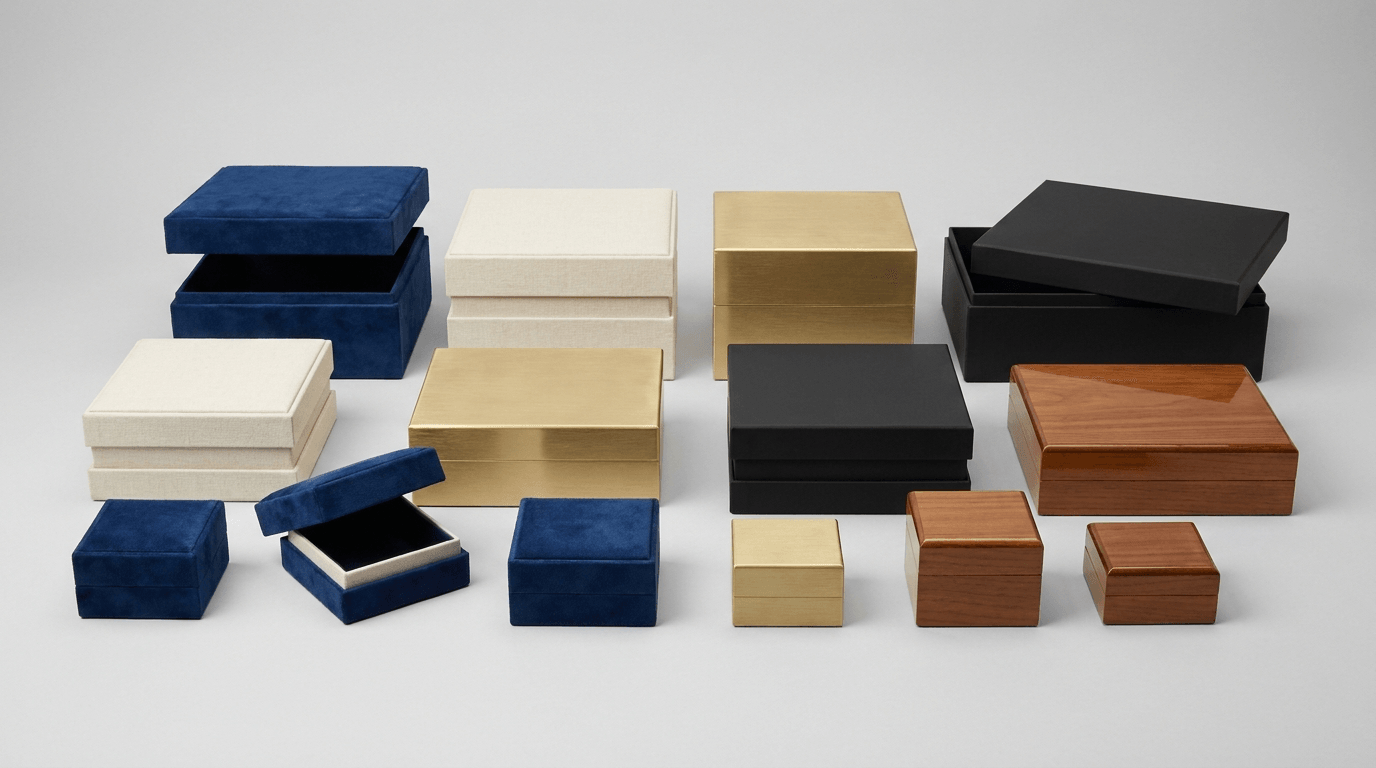
What are rigid boxes? A plain explanation
A rigid box is built from thick greyboard wrapped in paper, so it does not fold flat. Here is what they are, the main styles, and when they are worth it.
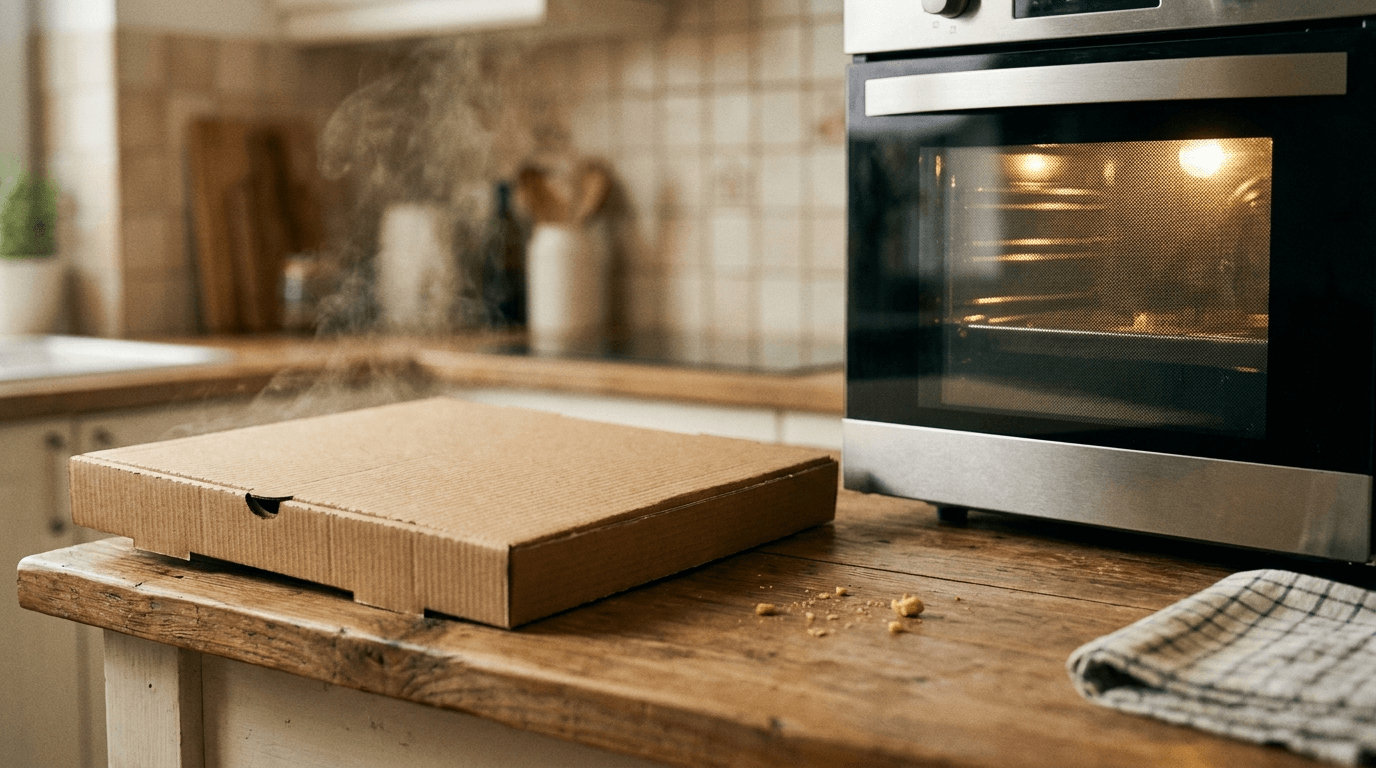
Can you put a pizza box in the oven?
Putting a cardboard pizza box in the oven is a fire risk: cardboard ignites around 230°C. Here is why, and the safe ways to reheat pizza instead.
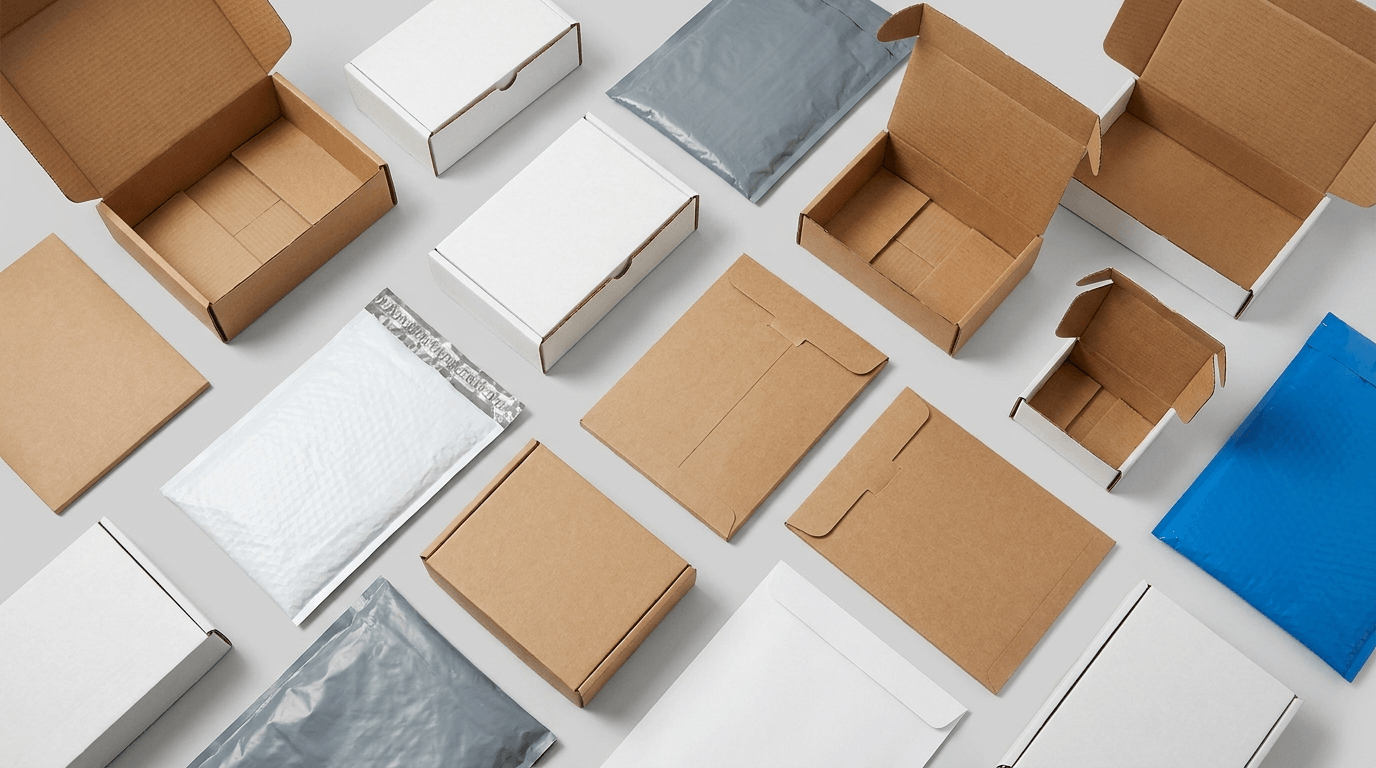
Types of mailers: which one fits your product?
Poly mailers, bubble mailers, corrugated mailer boxes, rigid mailers and luxury mailers each suit a different product. Here is how to pick the right one.
Ready to print your packaging?
Get an instant quote in minutes — low minimums, fast turnaround, and finishes that make your brand pop.