

Standard poster sizes: which one to use and when

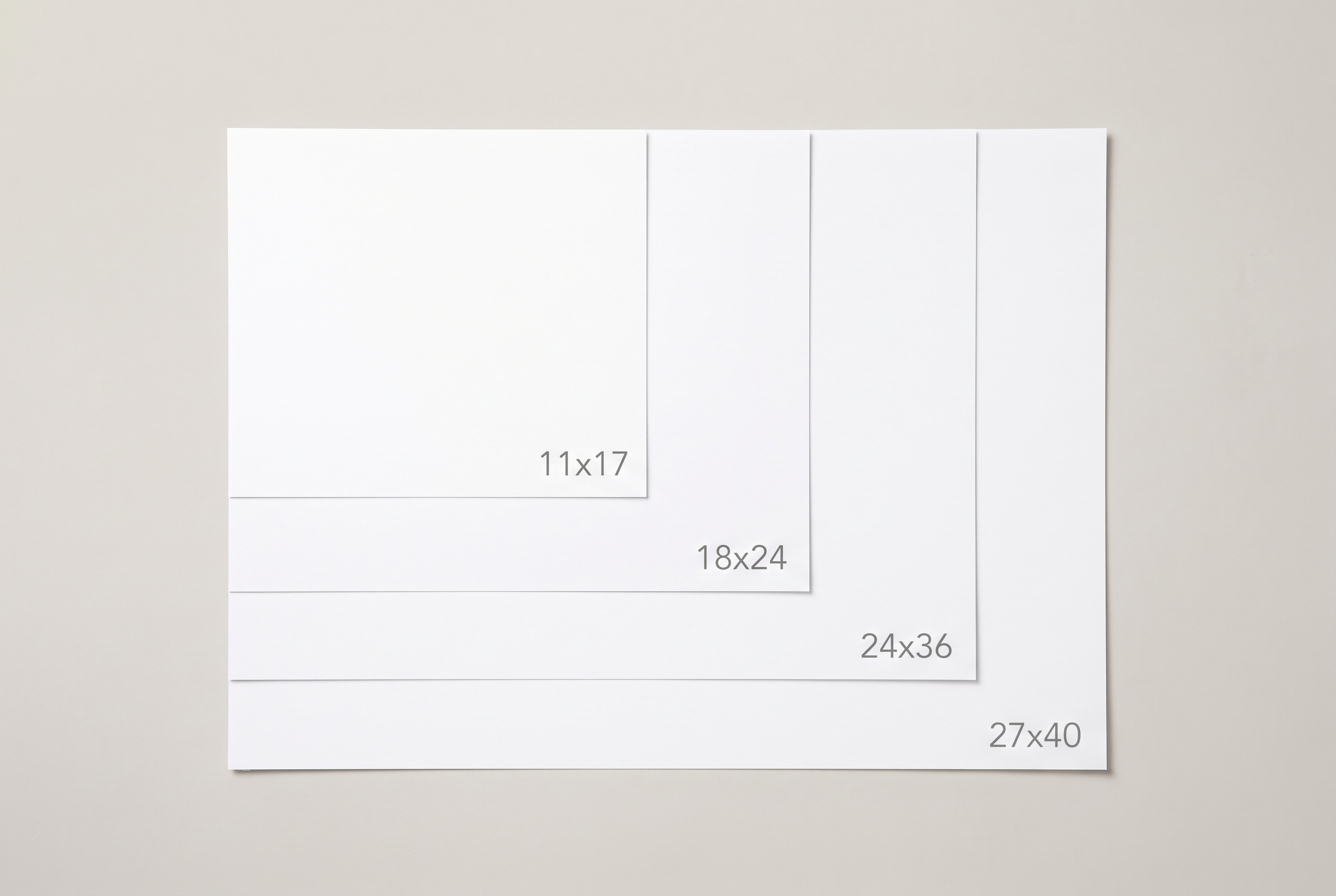
Pick the wrong poster size and you find out at the worst moment: the file prints soft, or the poster swims on a wall it was meant to fill. A handful of sizes cover almost every job, so it is worth knowing which is which before you design.
The four sizes that cover most jobs
Four sizes handle the bulk of what people order:
- 11×17 in (28×43 cm), often called tabloid or ledger. The small end, good for handbills, in-store signs, and posters taped at eye level in a hallway.
- 18×24 in (46×61 cm), the default poster. It fills a shop window or an office wall without dominating, and it is the size most people picture when they say "poster."
- 24×36 in (61×91 cm), the big one you see on walls and in bus shelters. Readable from across a street, which is why events and retail reach for it.
- 27×40 in (69×102 cm), the US one-sheet, the movie-poster size. Cinemas standardized on it, so it reads as "film" even when the content is not.
How to choose
Work back from viewing distance. If people read it up close, in a lift, at a desk, next to a product, 11×17 or 18×24 is plenty. If they see it from across a room or a road, jump to 24×36. The one-sheet 27×40 is a style choice as much as a size: reach for it when you want the movie-poster look.
Wall space matters too. An 18×24 on a large empty wall looks lost; a 24×36 in a narrow corridor crowds it. Hold up a sheet of paper at the real spot before you commit.
A4, A3, A2: the metric side
Outside the US, posters often follow the A series. A2 (42×59.4 cm) sits close to 18×24, and A1 (59.4×84 cm) is near 24×36. They are not identical, so if a printer works in inches, give inches. Mixing the two systems is how a design ends up with a white strip down one edge.
Set the file so it prints sharp
Size is only half the job. The file has to hold up at that size:
- Design at the final dimensions, not smaller. Building at 18×24 and scaling to 24×36 spreads the pixels thin and softens the print.
- Aim for 300 dpi at print size. Photos pulled from the web are usually 72 dpi and will look fuzzy blown up.
- Add 1/8 inch of bleed on every edge and keep important text 1/4 inch inside the trim, so nothing vital gets cut.
Quick answer
For most posters, 18×24 is the safe default and 24×36 is the step up for distance. Use 11×17 for close-up and handbills, and 27×40 when you want the movie-poster feel. Whatever you pick, build the file at that exact size.
Ready to print? Our custom posters cover all four sizes, and for candidates and drives there are weatherproof political campaign posters and yard signs.
Related reading
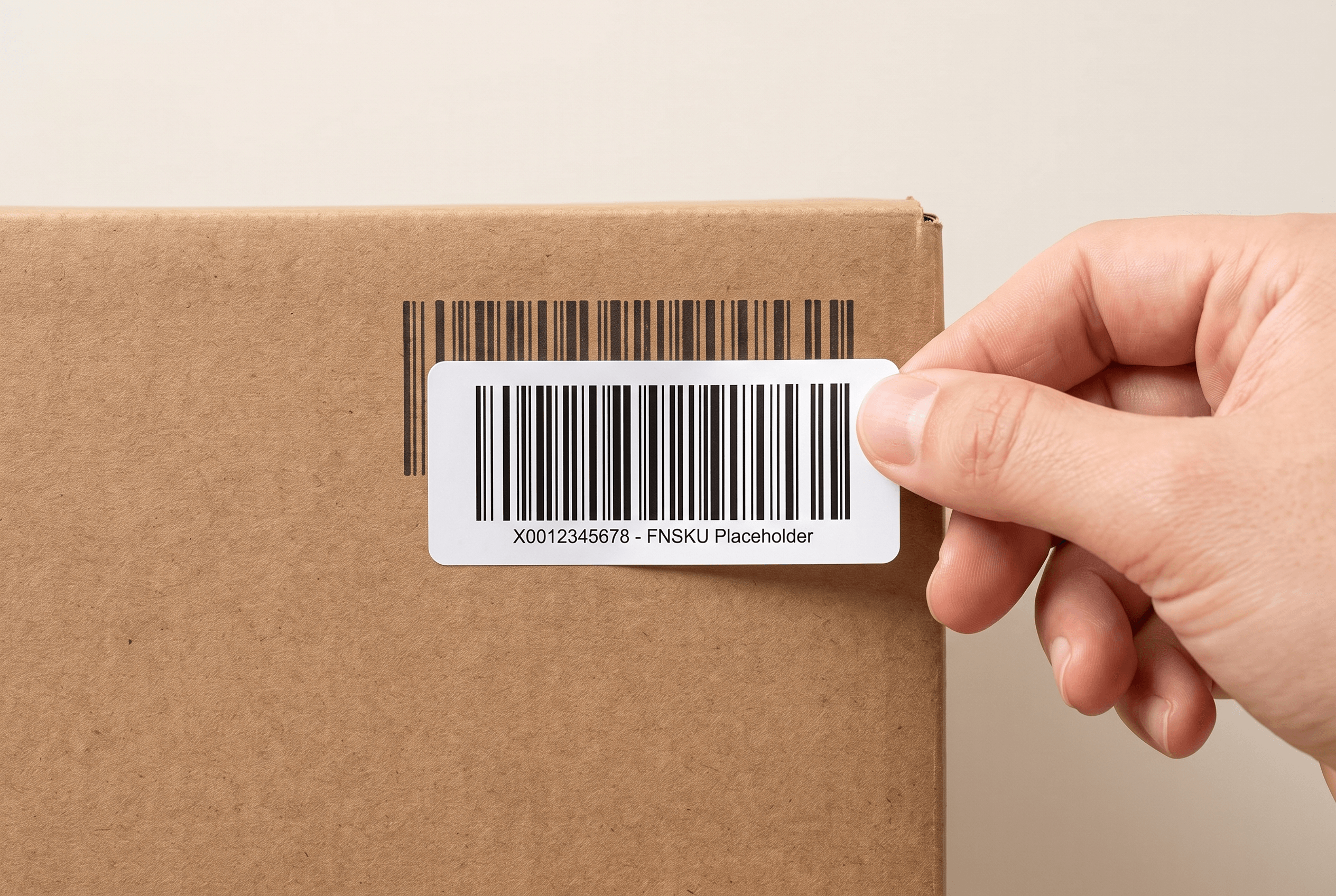
Amazon FBA label requirements: size, format and placement
What Amazon requires of FBA labels: the 1×2 to 2×3 inch size, thermal or laser print, one FNSKU per unit over the old barcode, and the mistakes that get shipments held.
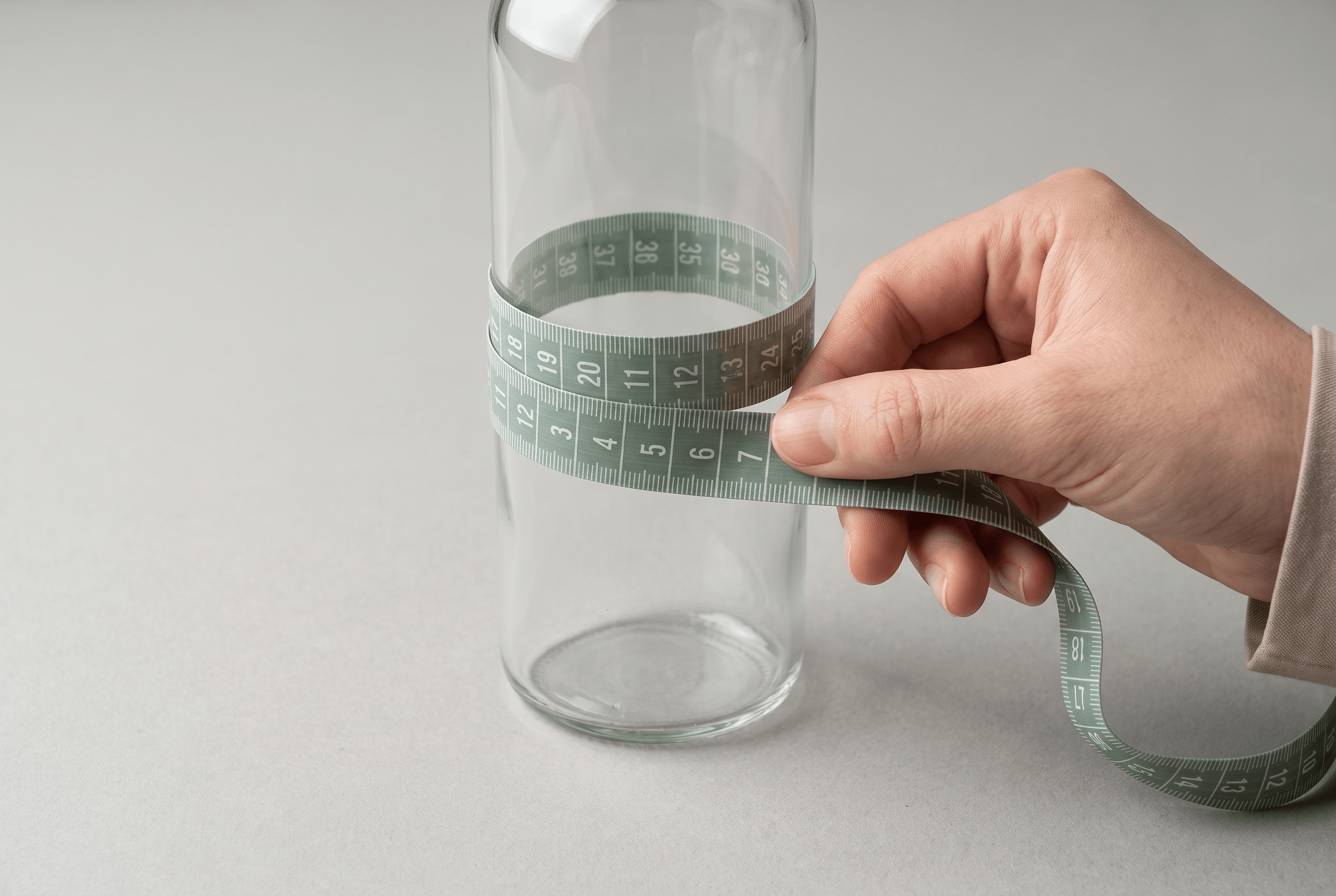
How to measure a bottle or jar for a label
Two numbers set a bottle or jar label: circumference and label height. Here is how to measure both, how much overlap a wrap needs, and where curves cause trouble.
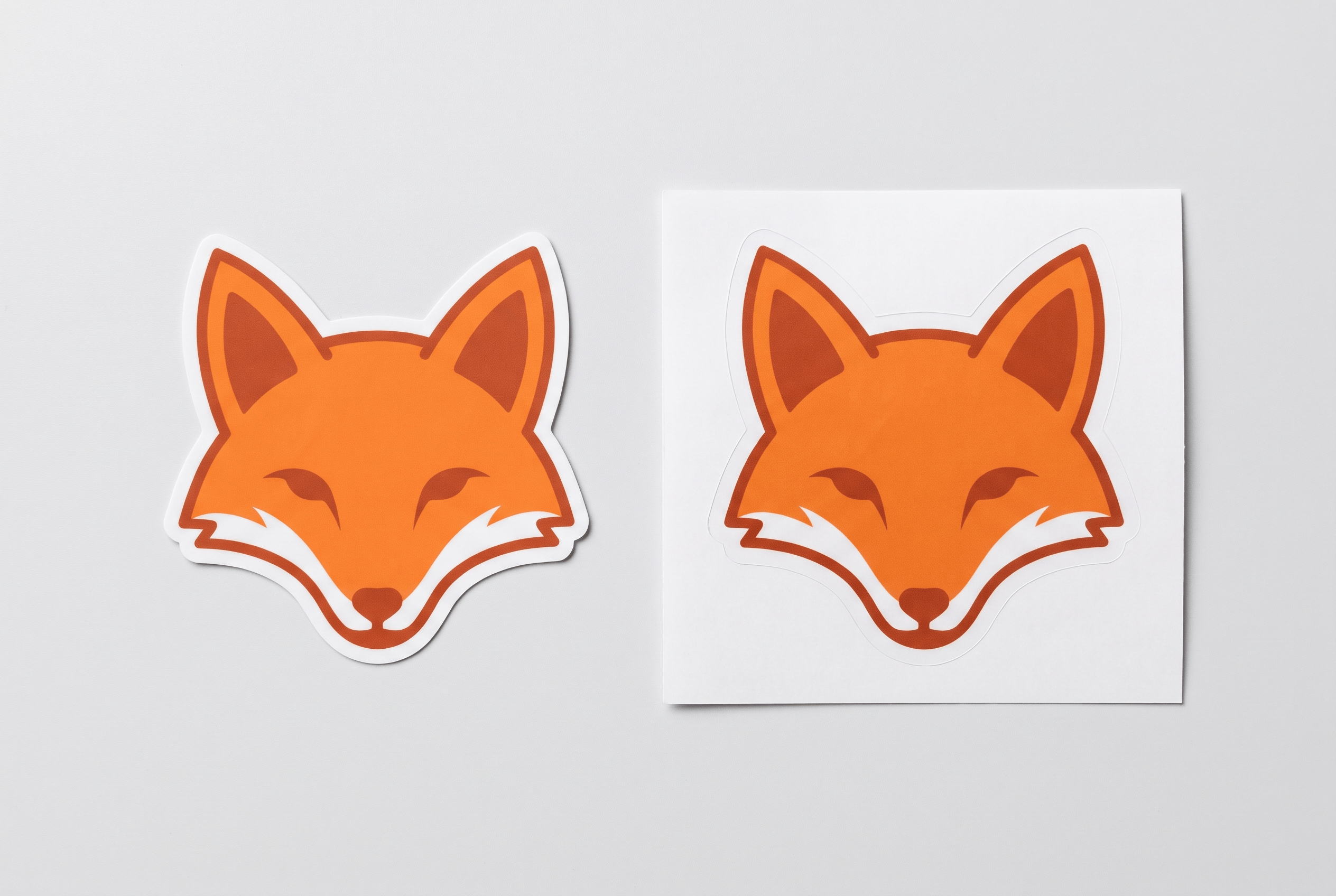
Die-cut vs kiss-cut stickers: what is the difference?
Die-cut and kiss-cut stickers use the same vinyl. The difference is how deep the blade goes, which changes the border, the peel, and whether designs share a sheet.
Ready to print your packaging?
Get an instant quote in minutes — low minimums, fast turnaround, and finishes that make your brand pop.